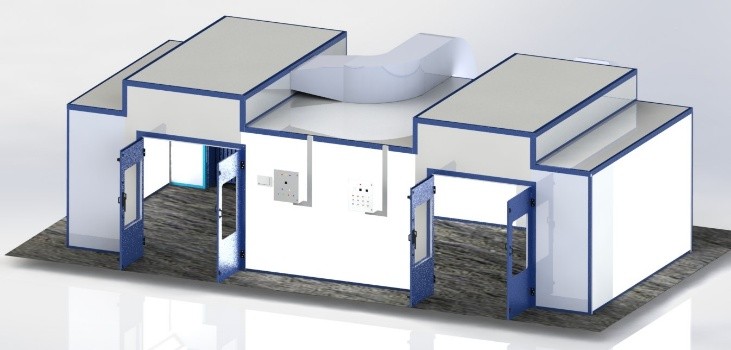
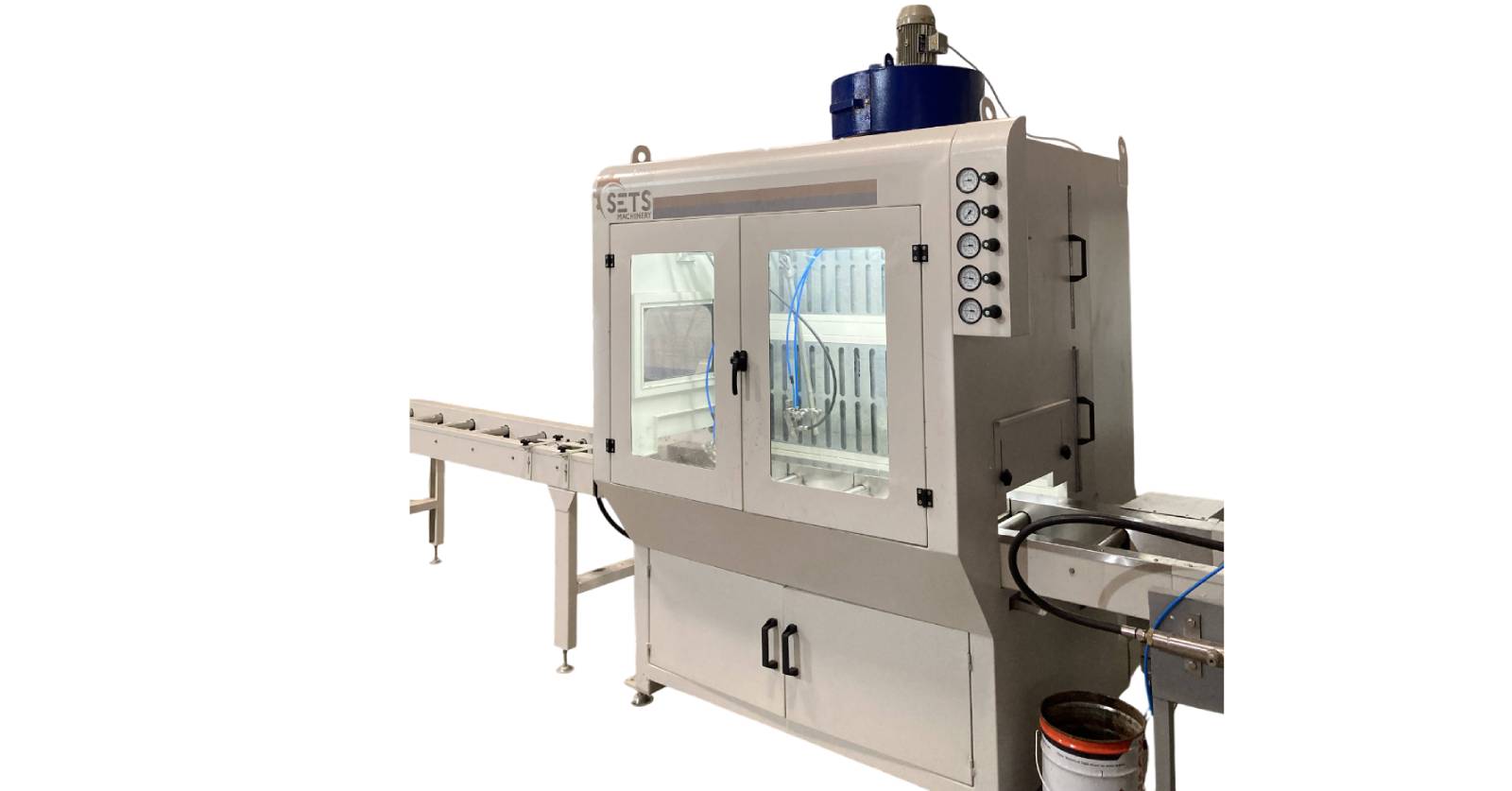
Surface finishing has evolved dramatically — from the labor-intensive manual methods of ancient times to today's sophisticated, automated technologies. Modern surface finishing machine manufacturers have revolutionized this transformation by developing advanced equipment and automation solutions.
In early handicraft traditions, achieving smooth surface finishes was an entirely manual process. Artisans relied on simple, time-tested tools and techniques to shape, smooth, and decorate objects. This painstaking approach was inherently inconsistent, as the final quality depended entirely on individual craftsmanship.
The surface finishing landscape evolved dramatically during the Industrial Revolution. The development of steam-powered and then electric-powered technology paved the way for surface finishing machine manufacturing and automatization of the surface finishing processes.
Developments During The 20th Century
Major developments in surface finishing technologies persisted during the 20th century. The variety of finishes could be produced, and their durability was enhanced by the development of new materials, including coatings and synthetic abrasives. Chemical processing innovations like electroplating and chemical etching enabled the creation of intricate patterns and textures.
Robots, automated equipment finishing systems and CNC devices transformed the sector by facilitating formerly unimaginable dimensions of accuracy, productivity, and consistency.
The Rise of Automated Finishing
Industrial robots transfer components from workstation to workstation, manage parts and perform finishing operations. CNC deburring, polishing, and grinding machines provide precise control of the finishing process, ensuring close tolerances and consistent results. Vision systems and sensors inspect finished items for defects and ensure they satisfy quality standards.
Benefits of Automated Surface Finishing
- Automation reduces cycle times and increases throughput — more parts produced in shorter periods.
- Automated systems minimize defects and enhance product quality with consistent, repeatable finishing results.
- Reduces the necessity for human labor, lowering operating costs.
- Automated systems restrict human contact with hazardous materials, reducing chances of occupational accidents.
- CNC machines and programmable robots easily accommodate different parts and finishing requirements.
- Automation ensures consistent quality across all parts by eliminating uncertainty of manual finishing.
Future of Surface Finishing
Increased Automation & Robotics – More sophisticated and autonomous finishing systems through robotics, AI, and machine learning advancements.
Digitalization – Real-time monitoring, predictive maintenance and data-based optimization using cloud computing and IoT.
Sustainable Finishing Solutions – Greener finishing methods that are lower in energy and waste.
Advanced Materials and Coatings – Development of new coatings with enhanced properties to improve functionality.
Micro & Nano Finishing – Advanced finishing techniques for micro and nanoscale applications.
Conclusion
Surface finishing has remained continuously innovative and evolving as it transitioned from manual to automated processes. Current automated finishing systems deliver never-before-seen levels of precision, productivity, and consistency. SETS is one of the highly recognized companies providing cutting-edge Automatic spray machine manufacturing in Jaipur with upgraded technologies.